

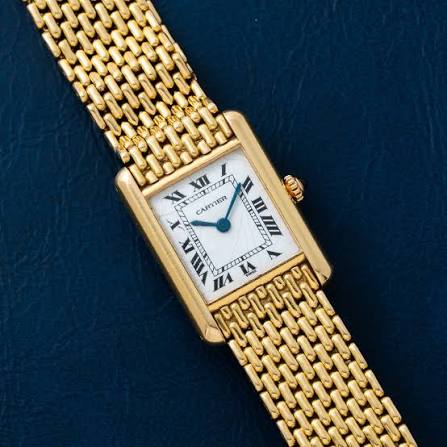
In the world of Peerless Etiquette, time is treated as a form of respect — a quiet signal of character, consideration, and emotional intelligence. How you manage your time is how you manage your impact.
When you honor your own time, you move with purpose.
When you honor the time of others, you move with grace.
Punctuality Is Presence
At Peerless Etiquette, we teach that punctuality is not about perfection; it's about presence. It's the discipline of preparing early, communicating clearly, and showing others that their commitments matter. Time is the one resource we cannot replenish, and treating it casually can unintentionally communicate disregard.
"Time management is not just productivity — it is civility. It is leadership. It is emotional intelligence in motion."
Consider the message that lateness sends, even when unintentional. It whispers: my schedule mattered more than yours. My preparation was less than it should have been. My awareness of your time was secondary. The refined individual understands this and guards against it — not out of anxiety, but out of deep consideration for others.
Peerless Principles for Time-Honoring Etiquette
These are the standards we hold ourselves to — and the standards we teach every student who enters the Peerless circle:
- Arrive prepared, not rushed — preparation is a form of respect. When you arrive composed, you bring your best self to every interaction. Rushing communicates chaos; preparation communicates care.
- Communicate delays early — silence creates tension; clarity creates trust. If you will be late, say so immediately. A simple message — "I'm running ten minutes behind; I apologize and I'm on my way" — transforms frustration into understanding.
- Avoid overbooking yourself — a crowded schedule leads to careless interactions. It is better to give three people your full presence than to give ten people your divided attention. Quality of engagement always outranks quantity of appointments.
- End meetings and conversations on time — generosity includes knowing when to conclude. Respecting the end time is just as important as honoring the start time. It shows that you value the next commitment on their calendar as much as your own.
- Honor your own boundaries — when you respect your time, others learn to respect it too. Saying "I have a commitment at three o'clock" is not rude — it is refined. It teaches others how to treat your time with the same care you extend to theirs.
The Deeper Truth About Time
Time management, in its truest form, is not about calendars and clocks. It is about awareness. It is about understanding that every moment you share with another person is a gift — and gifts should never be given carelessly.
The person who arrives five minutes early to a dinner is not anxious — they are thoughtful. The colleague who ends a call at the agreed time is not abrupt — they are respectful. The friend who calls to say they'll be late is not making excuses — they are demonstrating integrity.
In every interaction, time is the invisible currency of trust. Spend it wisely, and you build relationships that endure. Waste it, and you erode the very connections you hoped to strengthen.
A Peerless Standard
Move through your day with intention, and let your respect for time speak volumes about your refinement. In every appointment kept, every deadline honored, every moment of presence offered to another person — you are practicing the highest form of etiquette.
Because at Peerless Etiquette, we believe this: the way you treat time is the way you treat people. And the way you treat people is the truest measure of who you are.
—Mrs. Zakiyyah Benjamin
Founder, Peerless Etiquette
Where True Refinement Is Unmatched